
Intro
You may also enjoy:
Some minerals sold to collectors are altered, treated, or artificially created to enhance their appearance. Learning how to recognize these changes helps collectors make informed purchases and maintain authentic collections.
• Some minerals are dyed or treated
• Artificial specimens exist
• Careful observation helps identify alterations
Dyed Minerals
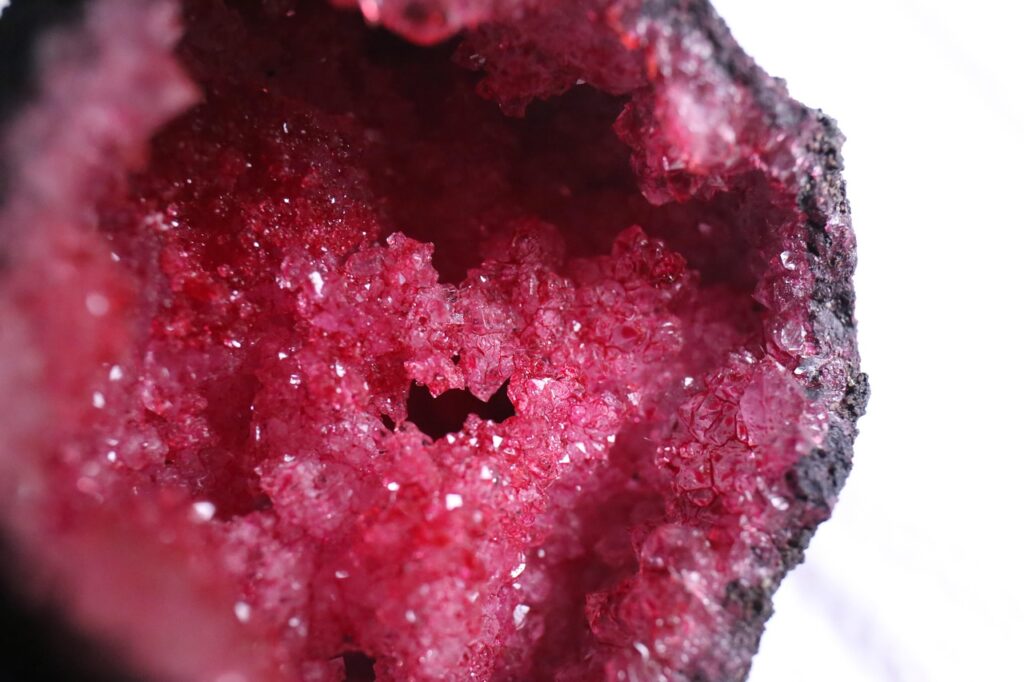
Some minerals are artificially colored to make them appear more vibrant.
Common examples include:
• Dyed agate
• Dyed quartz
• Dyed calcite
Dye may appear concentrated in cracks or porous areas.
Heat-Treated Minerals
Heat treatment can change a mineral’s color.
For example:
• Amethyst may be heated to produce yellow citrine-like colors
• Color changes may appear unusually uniform
Heat treatment is common in some commercial specimens.
Artificial Crystals
Some crystals are grown in laboratories.
Examples include:
• Synthetic quartz
• Synthetic gemstones
While scientifically valid, they are not natural mineral specimens.
Glued or Repaired Specimens
Broken crystals are sometimes repaired.
Collectors should look for:
• Visible glue lines
• Unnatural seams
• Reattached crystal points
Repairs may reduce a specimen’s value.
Suspiciously Perfect Specimens
Natural minerals often have small imperfections.
Warning signs include:
• Extremely bright unnatural colors
• Perfectly uniform surfaces
• Repeating artificial patterns
Natural specimens usually show variation.
Ask About Treatments
Reputable sellers will disclose treatments.
Collectors should ask:
• Has the mineral been dyed or heated?
• Is the specimen natural or synthetic?
• Has it been repaired?
Honest answers build trust.
Why Authenticity Matters
Authentic minerals:
• Preserve scientific value
• Maintain collector interest
• Represent natural geological processes
Understanding authenticity helps collectors make informed decisions.
Conclusion
Recognizing fake or treated minerals helps collectors build authentic and meaningful collections. Careful observation and asking questions are key to identifying altered specimens.
You might enjoy: