Intro
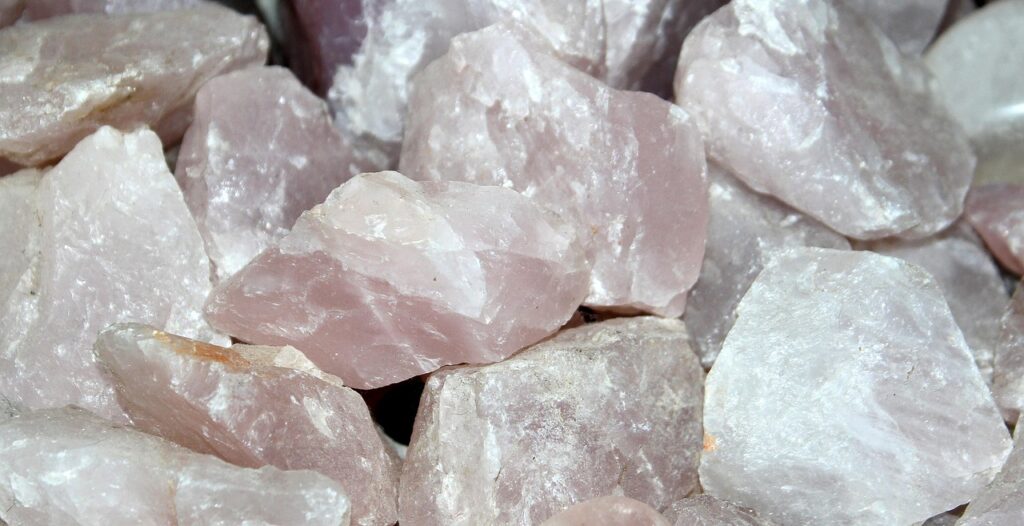
Starting a mineral collection involves gathering, organizing, and documenting mineral specimens based on personal interest. Beginners often begin with a small number of specimens and expand their collection gradually as they learn more about minerals.
• Can begin with a few specimens
• Focuses on learning and observation
• Grows over time with experience
Begin With Common Minerals
Many collectors start with widely available minerals.
Examples include:
• Quartz
• Calcite
• Pyrite
• Fluorite
These minerals are easy to find and display clear crystal features.
Choose a Collecting Focus
Some collectors organize collections around specific interests.
Common approaches include:
• Minerals from local areas
• Specific mineral types
• Colorful display specimens
• Crystals with well-formed shapes
A focus helps guide collecting decisions.
Record Important Information
Keeping records adds value to specimens.
Important details include:
• Mineral name
• Location where it was found or purchased
• Date collected
Documentation helps preserve the specimen’s history.
Store and Protect Specimens
Even small collections benefit from proper care.
• Use labeled containers or trays
• Keep fragile pieces separate
• Avoid stacking specimens
Organization helps maintain condition.
Learn As You Collect
Many collectors develop identification skills while building their collection.
Learning sources include:
• Field guides
• Museums
• Mineral clubs
• Online resources
Knowledge improves collecting decisions.
Grow the Collection Over Time
Collections often expand gradually.
Collectors may:
• Visit new collecting locations
• Trade with other collectors
• Purchase specimens from dealers
Over time, collections reflect personal interests and discoveries.
Conclusion
Starting a mineral collection begins with curiosity and a few specimens. With organization, documentation, and continued learning, a collection can grow into a meaningful record of geological exploration.