
Intro
You may also enjoy:
Color is often the first property noticed in a mineral, but it is not always reliable for identification. Many minerals occur in multiple colors due to impurities or environmental conditions. Relying only on color can lead to incorrect identification.
• Color can vary widely
• Impurities affect appearance
• Other properties are more reliable
Why Minerals Change Color
Mineral color can change because of:
• Trace elements
• Chemical substitutions
• Exposure to light or weathering
Even small amounts of impurities can alter color dramatically.
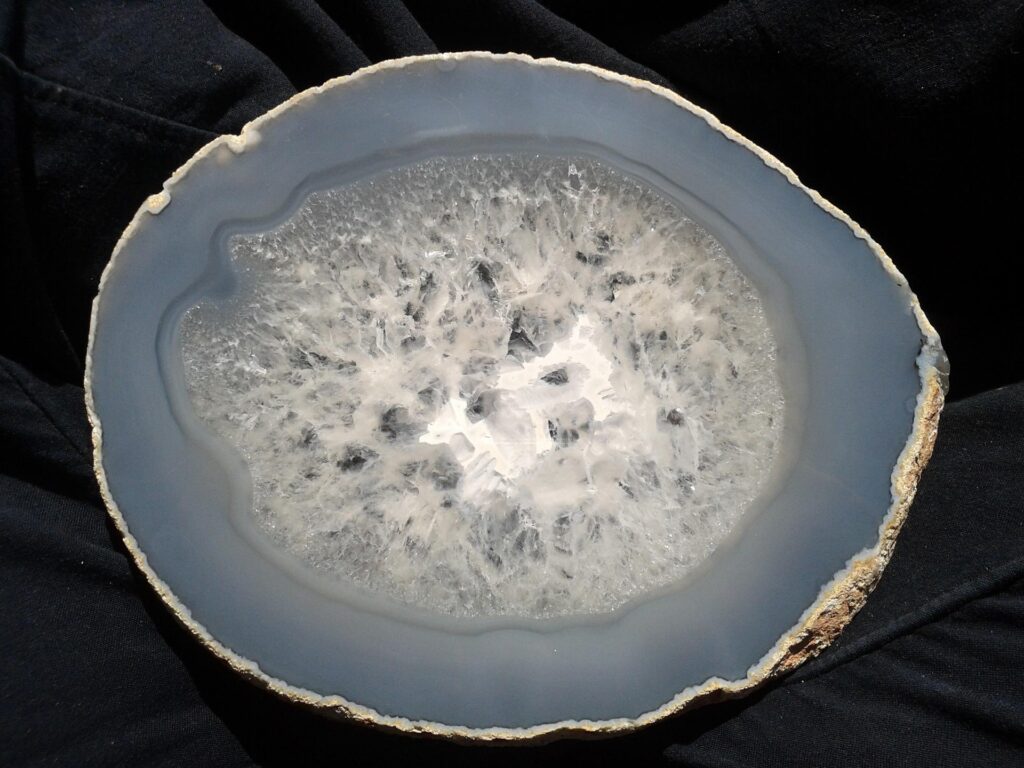
Example: Quartz
Quartz occurs in many colors.
• Clear (rock crystal)
• Purple (amethyst)
• Pink (rose quartz)
• Yellow (citrine)
Despite different colors, all are quartz.
Example: Calcite
Calcite can appear:
• White
• Clear
• Yellow
• Blue
• Green
Color alone does not distinguish calcite from other minerals.
Surface Color vs. True Color
Weathering can alter a mineral’s outer surface.
• Oxidation may darken surfaces
• Dirt or coatings may disguise original color
• Interior color may differ from exterior
Freshly broken surfaces often show more accurate color.
Better Identification Tools
Instead of relying on color, use:
• Hardness
• Streak
• Luster
• Cleavage or fracture
• Crystal shape
These properties are more consistent.
Why Beginners Rely Too Much on Color
Color is easy to see and compare, but it is:
• Often misleading
• Not unique to one mineral
• A secondary identification feature
Experienced collectors confirm identification with multiple tests.
Conclusion
Color alone is not a reliable way to identify minerals. Using multiple physical properties leads to more accurate identification and better understanding of mineral characteristics.
You might enjoy: